1. Choose the Right RV
Match the RV to traveler count, approved travel seating, sleeping arrangements, driving or towing comfort, campsite size and trip length. A larger RV is not automatically a better rental.


An RV rental has more moving parts than a conventional car rental. The process usually includes selecting the right RV, confirming dates and requirements, reviewing insurance and deposits, learning the vehicle during orientation, and returning it according to the written agreement.
Before paying for an RV rental, confirm the exact unit, total price, deposit, insurance or protection requirements, mileage and generator allowances, pet policy, pickup or delivery details, cancellation terms and return expectations.
A clear rental process reduces surprises. Davis RV Sales should provide vehicle-specific information and written terms before a booking is finalized. Read them carefully and ask about anything that is unclear.
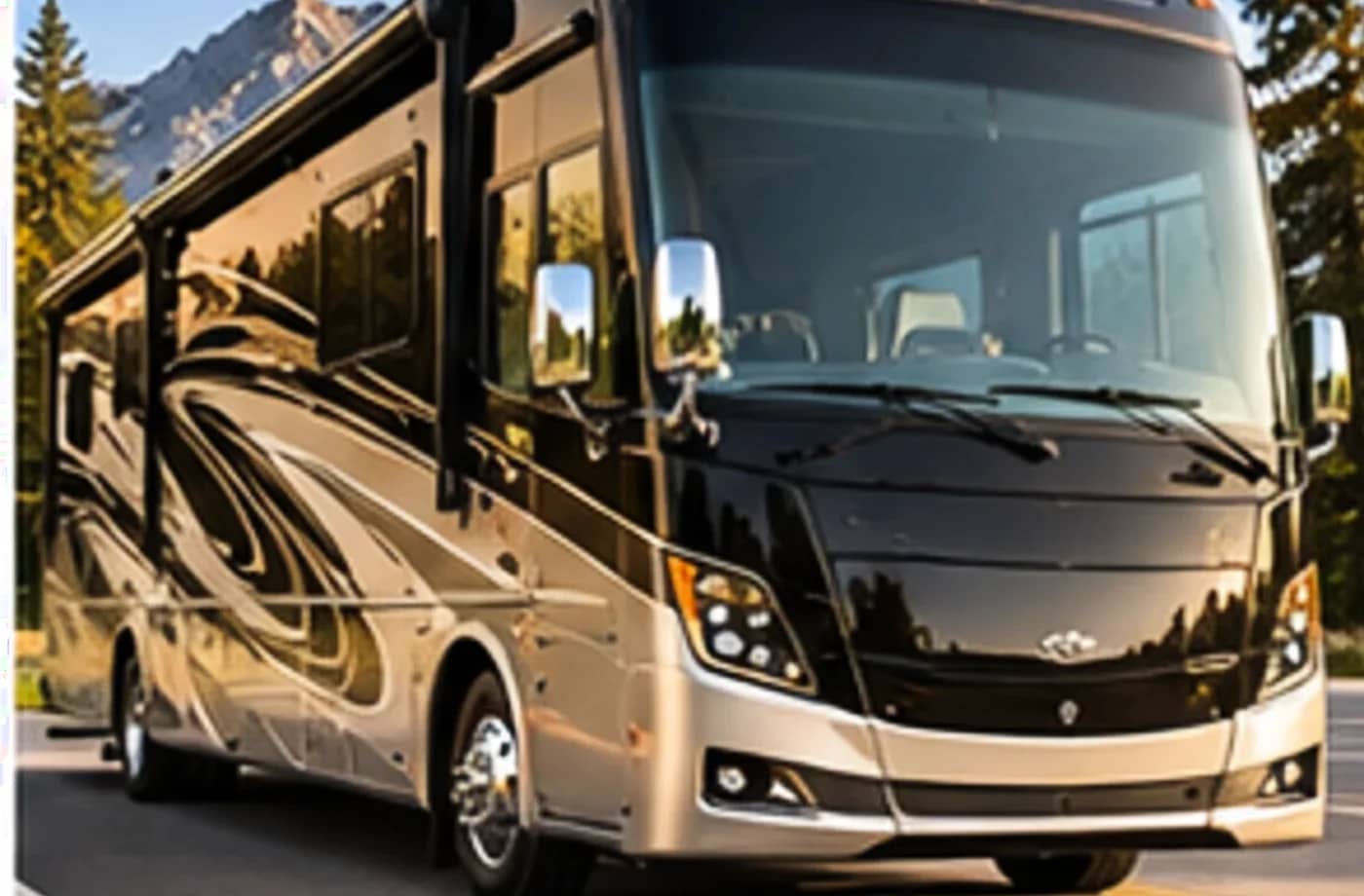
Start with the decision points that matter most, then use the detailed sections below for deeper research.
Match the RV to traveler count, approved travel seating, sleeping arrangements, driving or towing comfort, campsite size and trip length. A larger RV is not automatically a better rental.
Request the exact dates and vehicle. Review the base rate plus taxes, deposits, insurance or protection, mileage, generator charges, delivery, cleaning and optional equipment that may apply.
Confirm minimum driver requirements, license rules, insurance or rental protection, additional drivers and any geographic restrictions. These details belong in the actual rental agreement.
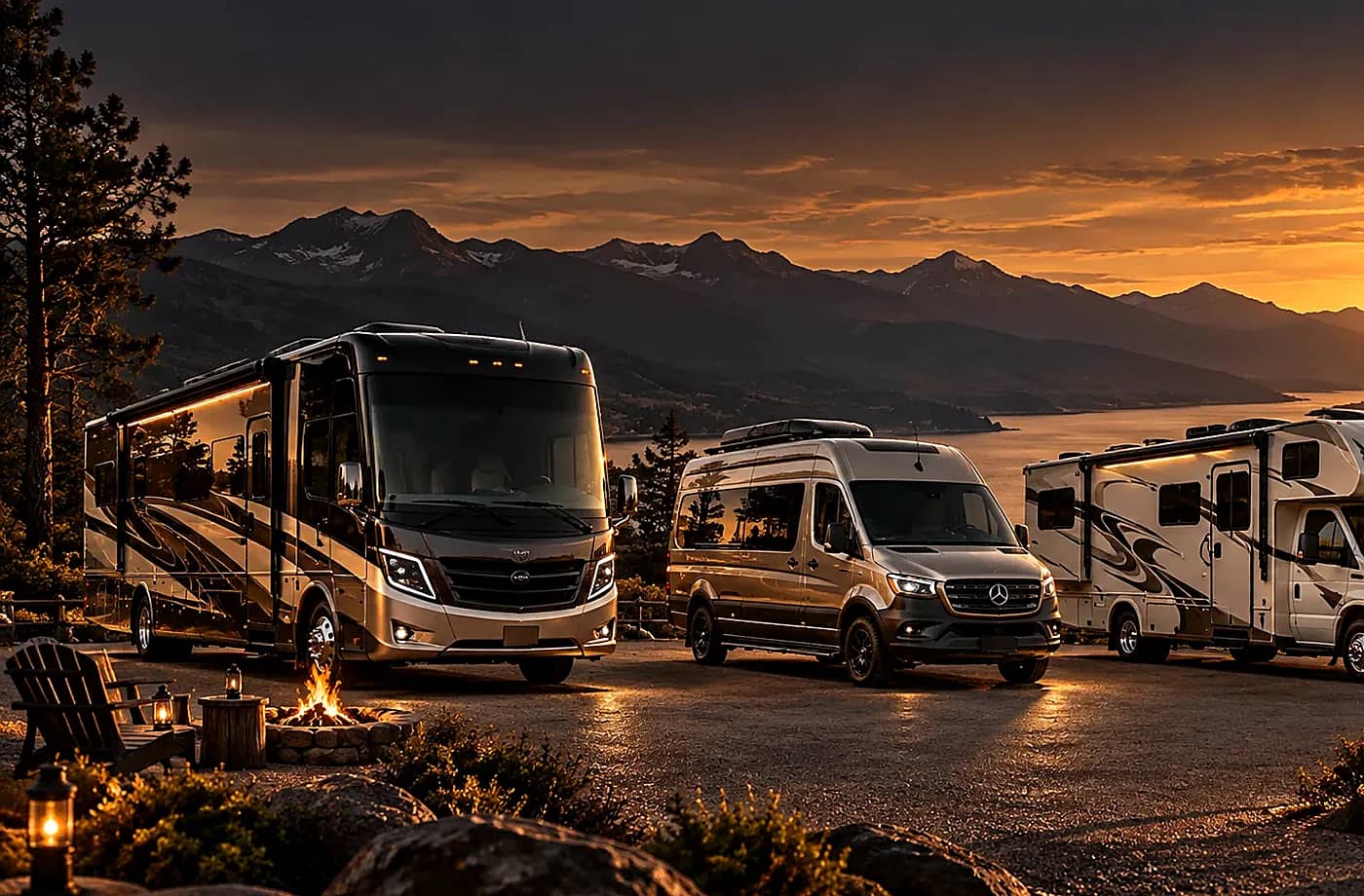
Before departure, learn how to operate shore power, batteries, generator if equipped, water, wastewater tanks, propane, appliances, HVAC, slides and awnings. Document existing condition.
Know the return deadline, fuel level, tank requirements, cleaning expectations and inspection process. Photographing the unit at pickup and return can help document condition.
A rental works best when the route, travelers and campsites are considered before the vehicle is reserved. For How RV Rentals Work, confirm how many people need belted travel seats, how many need beds, whether any travelers require easier entry, and how much luggage, food and outdoor gear you will carry. Consider where you will park during the trip, whether campsites have length limits and how comfortable the driver is with the RV size. A larger motorhome can provide more living room but can also make fuel stops, parking and some campground loops more demanding. A smaller camper van can be easier to maneuver but may require compromises in bathroom, storage or sleeping space.
The total rental cost can be shaped by more than the nightly or daily rate. Ask for the written terms covering mileage, generator use, cleaning, propane, dumping, fuel, security deposit, insurance or protection products, pets, additional drivers, roadside assistance, late return, cancellation and damage responsibilities. If the RV is delivered, confirm the delivery radius, setup, pickup time and what happens if the campsite changes. If the rental has a mileage allowance, estimate the route before booking so excess-mileage charges do not become a surprise. Keep copies of the reservation, inspection record and return requirements.
Before reserving an RV, check the campsite length, width, access roads, maximum vehicle size, electrical service, water and sewer availability. Some parks measure the entire combination, including a tow vehicle or towed car, while others focus on the RV itself. Know the RV height before driving under trees, fuel canopies or other structures. If the trip includes dry camping, learn the fresh-water, waste-tank, battery and generator capacities and how long they typically support your group. A rental that is comfortable on the highway may still be a poor fit if the planned campsites are too tight or lack the hookups you expect.
Allow enough time at pickup for a full orientation rather than treating it like a car-rental counter. Ask how to connect shore power, fill and use water, operate the water heater, refrigerator, furnace, air conditioner, generator, slide-outs, awning and leveling system if equipped. Learn which appliances use propane, electricity or battery power. Walk around the vehicle with the provider and photograph or record existing exterior and interior condition, including windshield, wheels, body panels, roof-visible areas, furniture and appliances. Confirm fuel, propane, water and tank levels. A documented start condition protects both sides and gives the renter a clear reference at return.
Create a trip budget that includes the rental rate plus mileage or fuel, campground fees, generator charges, protection or insurance, delivery where applicable, supplies, parking, tolls and any cleaning or dumping charges. Fuel use varies substantially by RV size, engine, weight, terrain and driving speed, so use a range rather than a single optimistic number. For a longer rental, compare weekly or monthly pricing with the daily total and ask whether mileage allowances change. If you are comparing two RVs, consider whether a slightly higher rental rate could reduce campground, delivery or driving complexity enough to justify the difference.
First-time renters should ask what type of driver license is required, whether every driver must be approved, how roadside assistance works, what to do after a warning light or system fault, and which problems require calling the provider before attempting a repair. Ask how pets, smoking, festivals, towing or off-pavement use are handled by the agreement. Confirm the return time, fuel level, propane expectations, waste-tank condition and cleaning standard. If a feature is essential for your trip, such as a specific number of seat belts, a shower, air conditioning while parked or a hitch, verify it on the exact rental unit rather than assuming the entire RV class includes it.
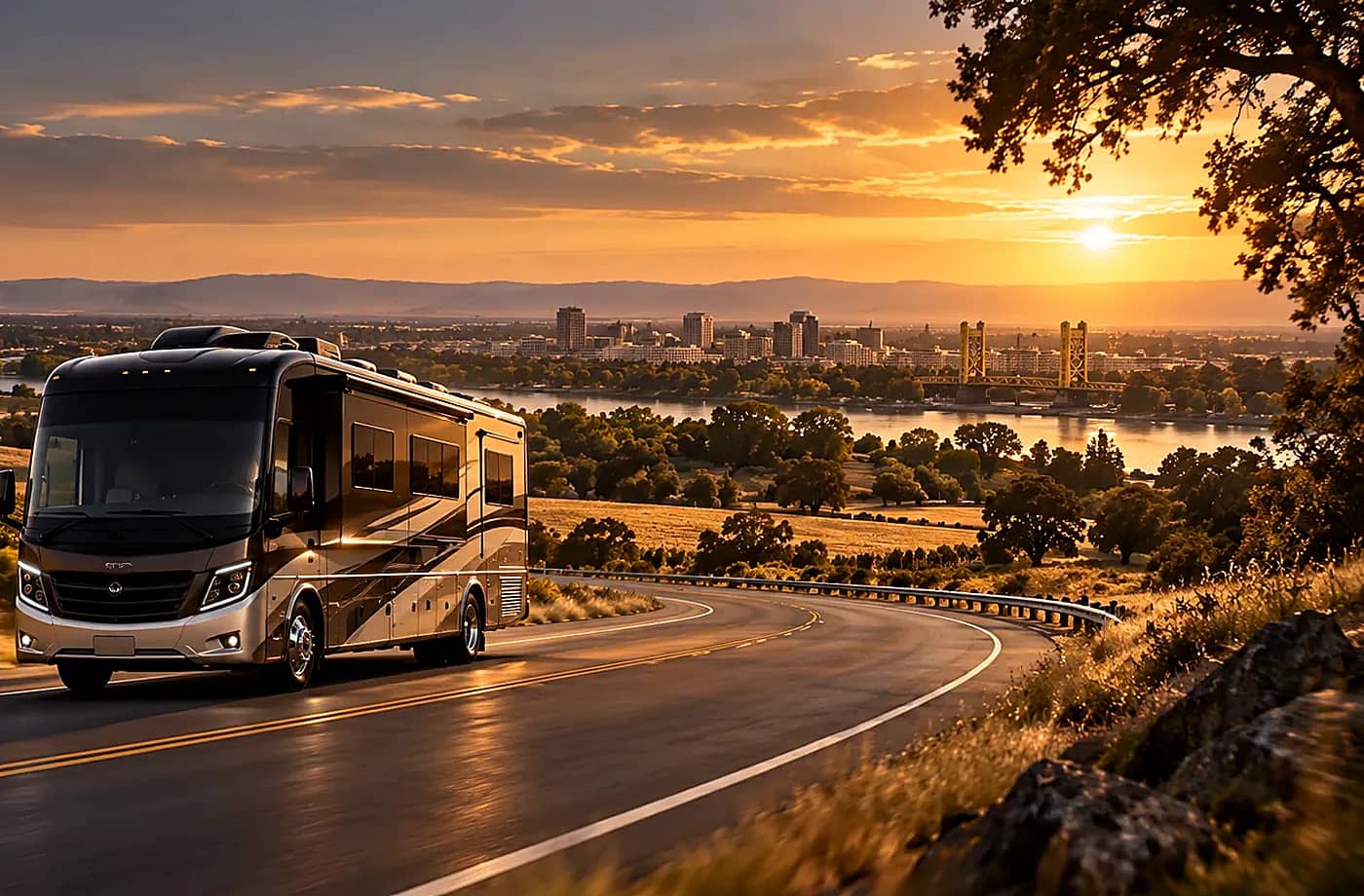
Requirements vary. First-time renters should choose a manageable RV, allow extra orientation time and practice basic maneuvering before beginning a longer trip.
Requirements depend on the vehicle and jurisdiction. Confirm the exact rental vehicle and applicable license rules before booking.
Check exterior condition, tires, lights, windshield, interior surfaces, appliances, safety equipment and documented fuel, mileage and tank levels.
Delivery may be available for some rentals or destinations. Confirm availability, fees, setup, pickup and campground access before booking.
Confirm the exact unit, dates, rate, mileage, generator policy, security deposit, protection or insurance, pets, delivery or pickup, cancellation and return terms.
Match the vehicle to traveler count, belted seats, sleeping layout, driver comfort, route and campsite size rather than simply choosing the largest available RV.
No. Allowances and charges vary, so review the written agreement for the exact rental.
Yes. A documented walkaround can record existing exterior and interior condition and the starting fuel, propane, water and tank levels.